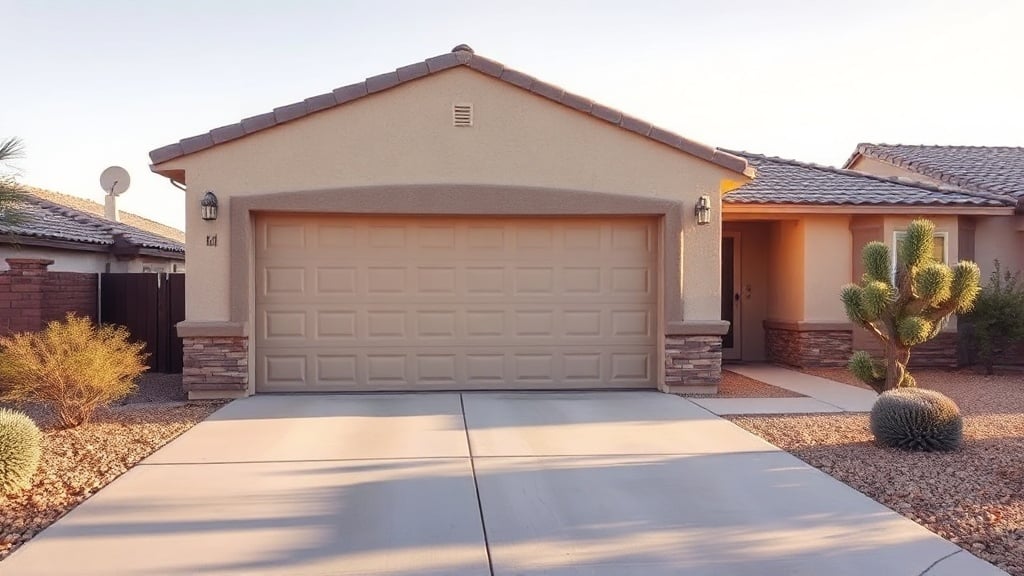

Hey, I’m Chris — and if you’ve lived in the Phoenix metro long enough, you know the desert doesn’t go easy on your home. The heat, the dust storms rolling in off the 101 near Scottsdale Road, the temperature swings between January nights and July afternoons — all of it adds up. Your garage door takes more abuse than you’d think, and most homeowners don’t give it a second thought until something goes wrong. That’s exactly when Garage Door Safety stops being a background concern and becomes a very real emergency. We put together this checklist to help you stay ahead of it.
Why Garage Door Safety Deserves More Than a Glance
A garage door is the largest moving part in most homes — typically weighing between 150 and 400 pounds depending on the material. Springs, cables, rollers, tracks, and the opener motor are all working together every single time that door moves. When one component starts to wear, the stress shifts to everything else. What starts as a slightly annoying grinding noise in North Scottsdale can become a snapped spring in Chandler three months later. The good news? A simple walk-through inspection — done consistently — catches 90% of problems early.
We’ve served homeowners across our full service area for years, and the pattern is always the same: the repairs that hurt the wallet most are the ones that were ignored the longest. So let’s break this down in a way that’s actually useful.
The Complete Garage Door Safety Inspection Checklist
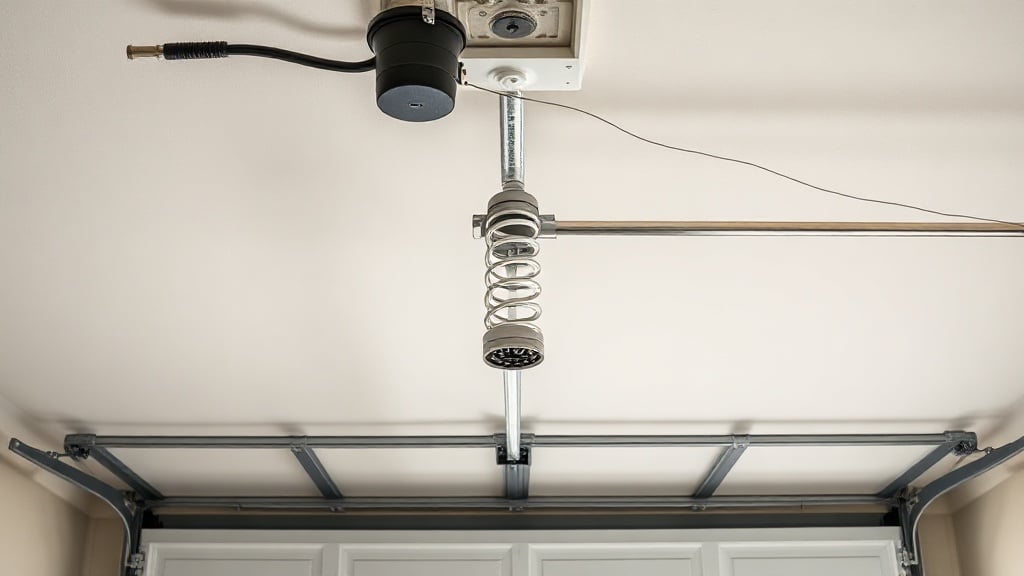
Run through each section below once a month. It takes about 10 minutes. Grab a cup of coffee, walk out to the garage, and go down the list.
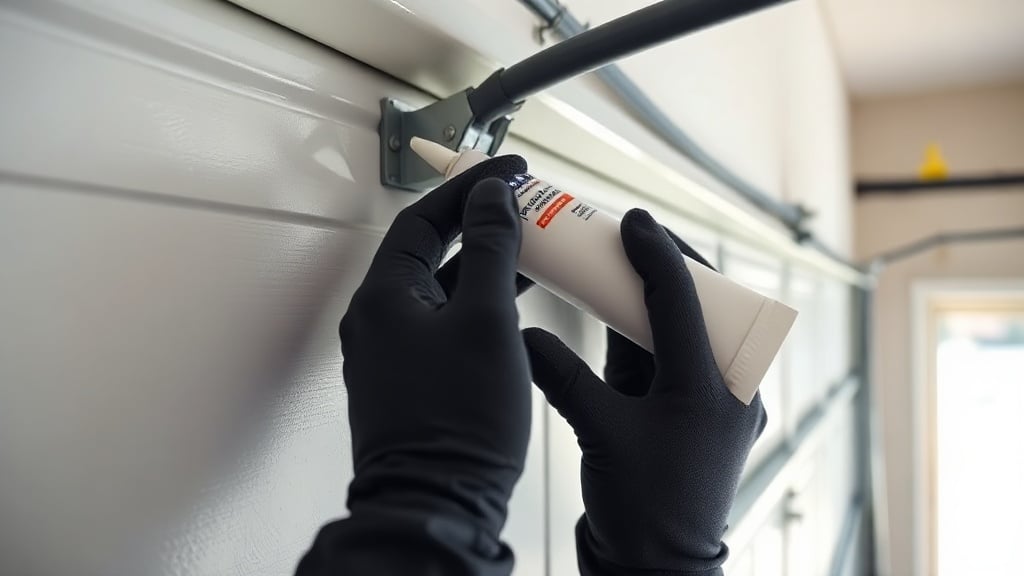
1. Visual Inspection of Springs and Cables
This is the most important — and the most dangerous — part of the door system. Torsion springs sit above the door on a horizontal bar. Extension springs run along the sides. Look for gaps in the coil, rust, or visible fraying. Do not attempt to repair or adjust springs yourself. A torsion spring under full tension stores enormous energy — enough to cause serious injury. If anything looks off, call our team at garage door repair services right away.
2. Check the Balance
Disconnect the opener by pulling the red emergency cord. Manually lift the door to about waist height and let go. It should hold its position. If it drifts up or crashes down, the springs are out of balance — meaning your opener is working way harder than it should, shortening its lifespan considerably.
3. Test the Auto-Reverse Feature
Place a 2×4 flat on the ground in the door’s path and close it. The door must reverse immediately on contact. If it doesn’t, that’s a federal safety requirement failure — and a serious hazard for kids and pets. This is non-negotiable. The U.S. Consumer Product Safety Commission considers a non-reversing door a major entrapment risk. Also test the photoelectric sensors — wave your foot through the beam while the door is closing. It should stop and reverse instantly.
4. Lubricate All Moving Parts
Phoenix heat accelerates metal fatigue and dries out lubricants faster than in cooler climates. Every 3 months, apply a silicone-based or white lithium grease to: rollers, hinges, springs, and the track (not the inside of the track — just the rollers). Avoid WD-40 on springs — it’s a degreaser, not a lubricant, and it strips the protective coating over time.
5. Inspect the Weatherstripping and Seal
The bottom seal and side weatherstripping keep out dust, critters, and monsoon water. Here in the Valley, that matters every July and August. Check for cracks, tears, or gaps. A compromised seal also affects your garage’s thermal efficiency — and if you want to dig into that further, our post on garage door insulation benefits that impact long-term performance is worth a read.
“A 10-minute monthly inspection is the single most cost-effective thing a homeowner can do to extend the life of their garage door system — and protect their family.”
— The Red Crest Garage Doors Team
Quick-Reference Inspection Table
Use this as your go-to reference. Print it, stick it on your garage wall, or screenshot it. Simple.
| Inspection Item | How Often | DIY or Call a Pro? |
|---|---|---|
| Spring condition (visual check) | Monthly | Look only — call a pro if any issue |
| Door balance test | Monthly | DIY |
| Auto-reverse safety test | Monthly | DIY |
| Lubricate rollers, hinges, springs | Every 3 months | DIY |
| Cable inspection (visual) | Monthly | Look only — call a pro if frayed |
| Weatherstripping condition | Every 6 months | DIY replacement okay |
| Track alignment check | Every 3 months | Minor — DIY; bent track — call a pro |
| Opener force settings | Annually | Call a pro |
| Full professional tune-up | Annually | Call a pro |
When to Stop Inspecting and Start Calling
There’s a clear line between maintenance you can handle and issues that need a trained technician. If you’re noticing any of the following, it’s time to call us — not search YouTube at midnight:
- Grinding, popping, or banging sounds during operation
- The door moves unevenly or one side hangs lower than the other
- Visible gaps, kinks, or rust on the cables
- A spring that looks stretched, cracked, or has a visible gap in the coil
- The door reverses for no apparent reason — or doesn’t reverse when it should
- Slow response time from the opener despite a fresh battery in the remote
We also see a lot of questions come in about doors that behave differently at night versus during the day — temperature changes in Scottsdale, AZ affect sensor alignment and metal expansion more than people realize. Our breakdown of what it means when your garage door won’t close at night covers that in detail.
Repair vs. Replacement: Knowing the Difference
Not every problem means a full garage door replacement. But some do — especially if your door is more than 15 years old, has visible panel damage that affects structural integrity, or has needed repeated repairs in a short span. A newer insulated door also adds real curb appeal, which matters a lot if you’re near areas like the McCormick Ranch corridor in Scottsdale or the newer master-planned neighborhoods in North Chandler where HOA standards are strict. Check out our garage door installation options if you’re wondering what an upgrade might look like — or browse our routine maintenance service if you just want us to handle the whole inspection professionally.
How Red Crest Garage Doors Approaches Garage Door Safety in Scottsdale, AZ
We’re not a national chain dispatching random technicians from across the state. We’re local to Scottsdale, AZ, AZ — our team knows the climate, the neighborhoods, the HOA quirks near Kierland Commons in Scottsdale, and the wide garage setbacks common in North Phoenix communities off the Loop 303. When you call (602) 898-8558, you’re talking to people who’ve seen what the desert does to garage hardware over years of daily use.
Our technicians are trained to walk through exactly this kind of inspection on every visit — not just fix the one thing you called about and leave. We’ll tell you honestly what needs attention now, what can wait, and what the cost looks like before we touch anything. No surprises on the invoice.
- Same-day service available across the Phoenix metro
- Transparent, upfront pricing before any work begins
- Trained garage door experts — not generalist handymen
- We service openers, springs, cables, panels, and full replacements
If your opener is acting up specifically, our garage door opener service team handles everything from outdated units to smart home integrations. And if you’re unsure whether repair or replacement makes more sense for your budget, just ask — we’d rather give you straight advice than upsell you on something you don’t need.
Running this checklist consistently is one of the simplest things you can do for long-term peace of mind. It takes less time than a drive through Old Town Scottsdale on a Friday night — and it’ll save you far more frustration. We’re here when you need us. — Chris & the Red Crest Garage Doors Team
Some content on this site is AI-assisted and may not reflect exact current details — please verify with Red Crest Garage Doors at (602) 898-8558. Learn more.