Hey, I’m Chris — and if you just heard a sharp, jarring snap come from your garage and your heart dropped a little, I get it. That sound is alarming. The good news? You’re not alone, and in most cases, you caught it early enough that Emergency Garage Door Repair can get everything sorted before any serious damage sets in. Let’s walk through what’s actually happening inside that door so you know exactly what you’re dealing with — and what to do next.
Why Garage Doors Make That Sharp Snapping Sound
That loud pop or snap isn’t random. Your garage door is a surprisingly complex system — springs, cables, rollers, hinges, and an opener all working in rhythm. When something’s off, the door lets you know. Here in Avondale, AZ, AZ, the desert heat is a major contributor. Triple-digit summers expand metal, and cold winter nights (yes, even in the Phoenix metro) cause contraction. That constant stress cycle wears components down faster than most homeowners expect.
The most common culprits behind that snapping noise include:
- A torsion spring nearing the end of its life — this is the big one. Torsion springs sit on a metal shaft above your door and do most of the heavy lifting. When they’re stressed or coiled unevenly, they pop. When they break, the snap is loud enough to wake the neighbors.
- Broken or fraying cables — cables run along both sides of the door and snap under tension when they fray or lose their anchor point.
- Loose hardware — bolts, brackets, and hinges rattle and pop when they’ve worked loose over thousands of cycles.
- Rollers jumping the track — worn nylon or steel rollers can skip, causing a sharp clicking or snapping sound as the door moves.
- Opener chain or belt slapping — if the tension is off on your chain-drive opener, it can slap the rail hard enough to sound like a snap from inside the garage.
Is It Dangerous? Should You Use the Door?
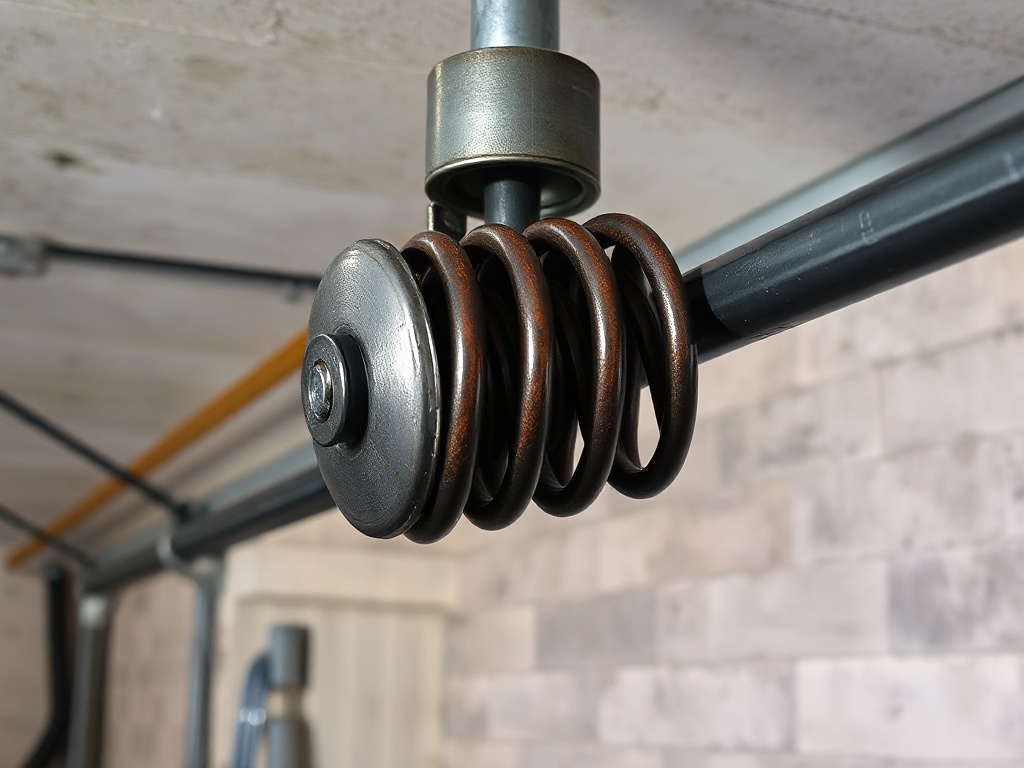
Straight answer: if the noise was sudden and the door now feels heavier than usual, moves unevenly, or won’t open at all — stop using it immediately. A broken torsion spring makes the door extremely heavy, and forcing it can damage the opener motor, bend the track, or in rare cases cause injury. This is exactly the kind of situation where professional garage door repair isn’t just convenient — it’s the safest call you can make.
Springs store an enormous amount of mechanical energy. We’re trained and equipped to handle spring work safely — it’s not a DIY project, no matter how handy you are. The CDC notes that tension-related mechanical injuries are among the more preventable home incidents when a professional is called promptly. Don’t risk it.
If your garage door snapped and now feels heavier or sits crooked — treat it like an emergency. Don’t force it open. Call us first.
Garage Spring Replacement: What You Need to Know Before We Arrive
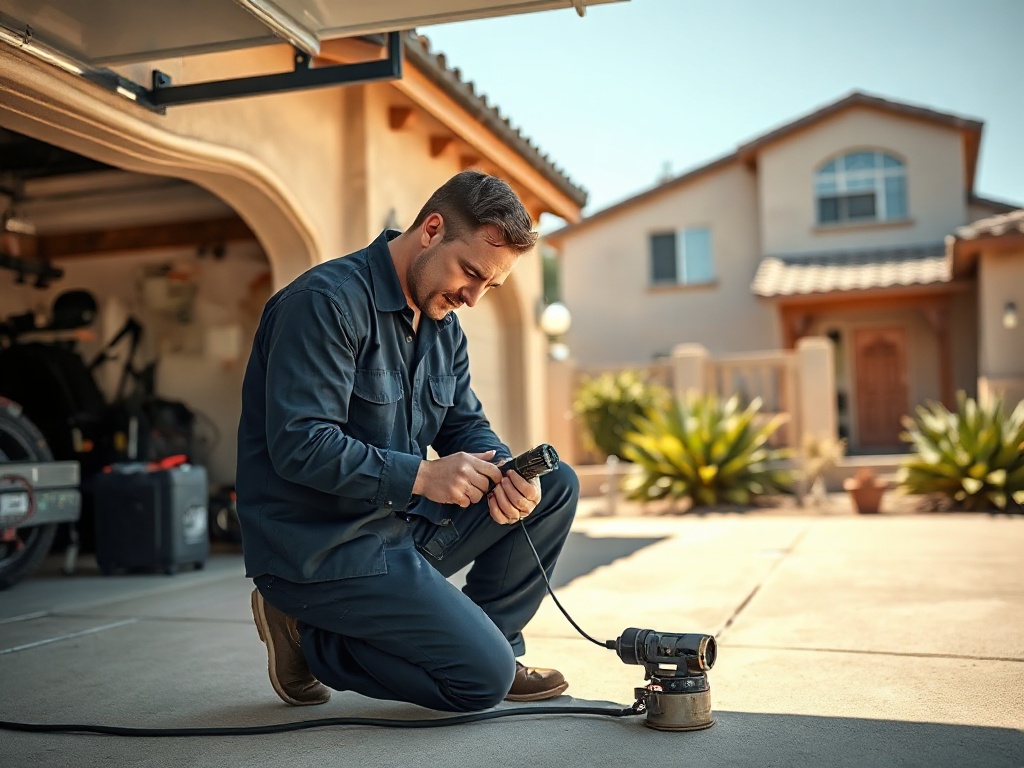
Garage spring replacement is one of the most common repairs we handle across Scottsdale, Chandler, Cave Creek, and Fountain Hills. Springs are rated by cycle count — most standard springs are rated for about 10,000 cycles. In a household using the garage twice a day, that’s roughly 7–10 years. Higher-cycle springs (20,000–30,000 cycles) are available and worth discussing if you want a longer-lasting fix.
Here’s a quick comparison so you know what you’re choosing between:
| Spring Type | Average Lifespan | Best For | Notes |
|---|---|---|---|
| Standard Torsion (10K cycles) | 7–10 years | Light-use garages | Most common; affordable upfront |
| High-Cycle Torsion (20K–30K cycles) | 14–20 years | Busy households, multi-car garages | Better long-term value |
| Extension Springs | 5–8 years | Older single-car doors | More common in older homes |
When one spring breaks, we almost always recommend replacing both — even if the second one looks fine. They wear together, and a second failure within weeks of the first is incredibly common. Replacing both at once saves you a second service call and keeps your door balanced.
Other Noises That Signal It’s Time for a Tune-Up
Not every noise means a spring has snapped. Some sounds show up earlier as warning signs — and catching them during a routine garage door tune-up can save you hundreds down the road. Here’s a quick cheat sheet:
- Grinding — rollers or hinges need lubrication; could also mean worn rollers.
- Squeaking — dry metal-on-metal contact; usually a quick lube fixes it.
- Rattling — loose hardware somewhere along the door sections or track.
- Banging at the top or bottom — door limit settings on your opener may be off, or the door is hitting the floor unevenly.
- Loud pop with smooth operation after — could be a minor cable or roller skip; keep an eye on it and call us if it repeats.
A full tune-up covers lubrication, hardware tightening, balance testing, and a safety sensor check. If you haven’t had one in the last year, especially after a hot Avondale, AZ summer, it’s worth scheduling. Our garage door inspection checklist walks through every point we cover — take a look before your appointment so you know exactly what we’ll be checking.
Phoenix Metro Specific: Why Our Climate Makes This Worse
We see this constantly across North Scottsdale near Scottsdale Road and Frank Lloyd Wright Boulevard, out in Cave Creek near Tom Darlington Drive, and down in Chandler — the heat here is uniquely brutal on garage door components. Steel expands in summer heat and contracts during those chilly December nights near Fountain Hills. The result? Springs, cables, and rollers that wear unevenly and fail faster than they would in milder climates.
Dust and debris from the desert air also work their way into roller bearings and cable drums, causing friction and premature wear. We recommend a light lubrication with a silicone-based spray (not WD-40) every six months — and a full professional inspection annually. It’s a small investment that routinely prevents a much larger one.
Also worth mentioning: if your garage door leads into a living space or shares a wall with a bedroom, insulation plays a bigger role than most people realize. Check out how garage door insulation benefits most Avondale, AZ homeowners overlook — especially in homes where the garage doubles as a workspace or gym during the cooler months.
What to Expect When You Call Us for Emergency Garage Door Repair
We know the last thing you want when your garage door is stuck is a vague window, hidden fees, and a tech who shows up three days later. That’s not how we operate. When you call Red Crest Garage Doors at (602) 898-8558, here’s what happens:
- You get a real person — not a call center, not a robot.
- We give you an honest assessment over the phone based on what you describe.
- We confirm pricing before we start — no surprises on your invoice.
- We show up same-day for emergency calls throughout the Avondale, AZ area.
- We fix it right the first time — with parts on the truck, not a two-week backorder.
We serve homeowners across Avondale, AZ, Scottsdale, Chandler, Cave Creek, Fountain Hills, and surrounding communities. You can check our full service area coverage to confirm we work in your neighborhood — chances are, we already do.
Whether it’s a snapped spring at 7 AM before the school run or a door that won’t close at midnight, Red Crest Garage Doors is the local team Avondale, AZ homeowners call when they need it handled fast, honestly, and right. Don’t wait for that warning noise to become a full breakdown.
Some content on this site is AI-assisted and may not reflect exact current details — please verify with Red Crest Garage Doors at (602) 898-8558. Learn more.