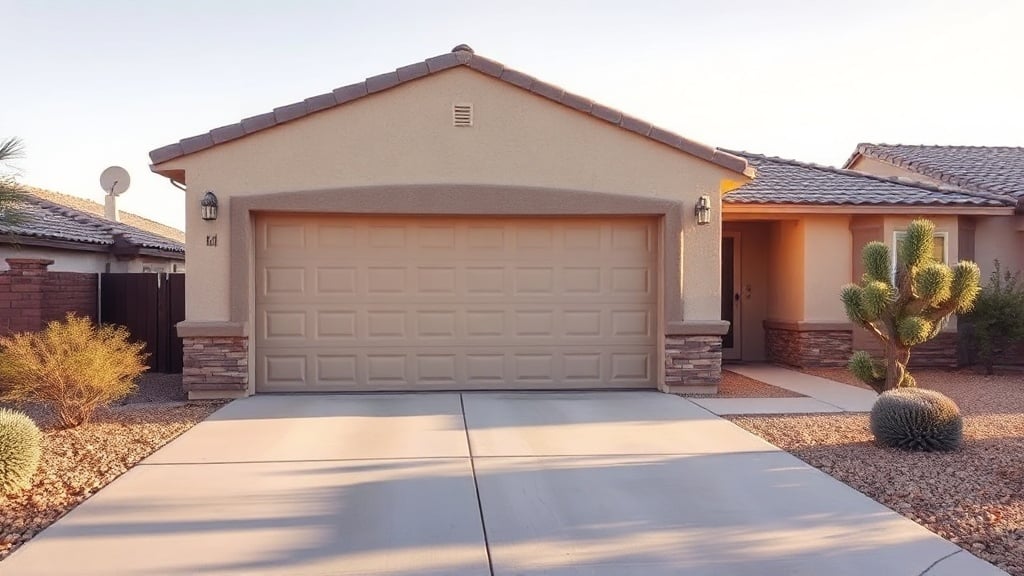
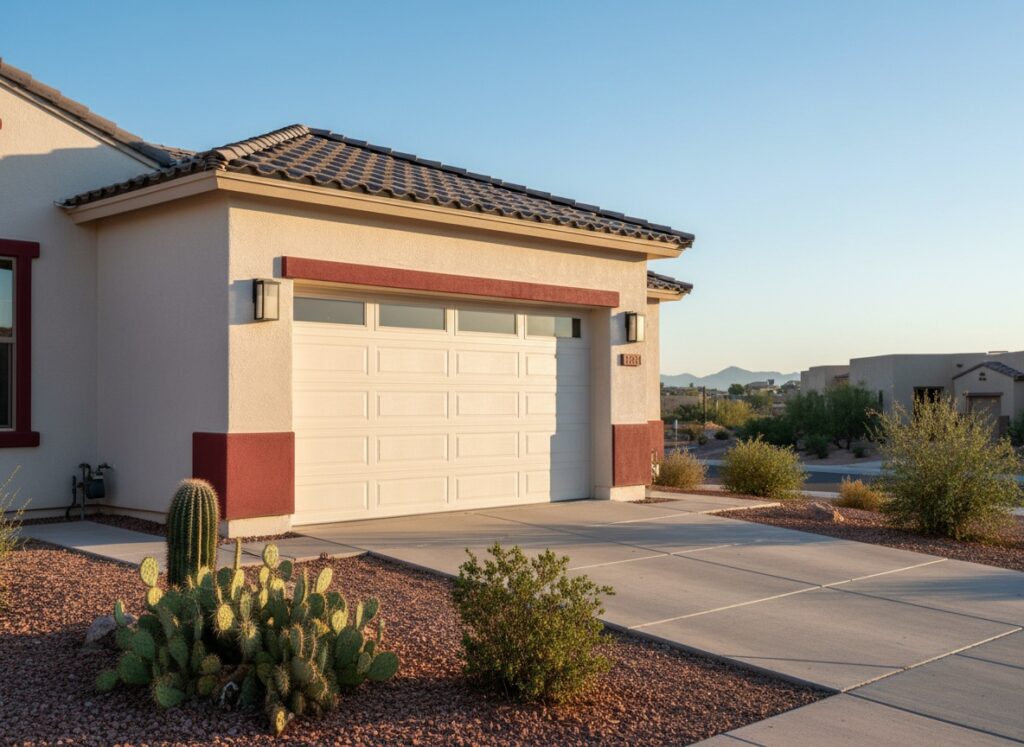
Hey, I’m Chris — and if you’ve landed here because your garage door sounds like it’s auditioning for a horror movie, you’re in the right place. At Red Crest Garage Doors, we hear it every week from homeowners across Scottsdale, AZ and the surrounding Phoenix metro: grinding, banging, squealing, rattling. These noises aren’t just annoying — they’re your door begging for attention. A proper Garage Door Upgrade addresses the root cause before a small irritation turns into an expensive emergency. Let’s break down exactly what those sounds mean and what we do about them.
Why Garage Door Noise Is Never “Just Normal”
We get it — over time you just tune it out. Maybe the bang on the way down has been there for six months. Maybe the screech happens only when it’s hot outside, which in Phoenix means roughly nine months of the year. But here’s the honest truth: a quiet door is a healthy door. Every unusual sound points to a specific mechanical issue, and ignoring it puts real stress on components that are holding back serious tension — we’re talking springs and cables under hundreds of pounds of force.
Our garage door repair technicians across Scottsdale, Chandler, Cave Creek, and Fountain Hills diagnose noise complaints every single day. The pattern is almost always the same: a small fix ignored becomes a full component replacement — or worse, a safety incident.
The Noise Decoder: What Each Sound Actually Means
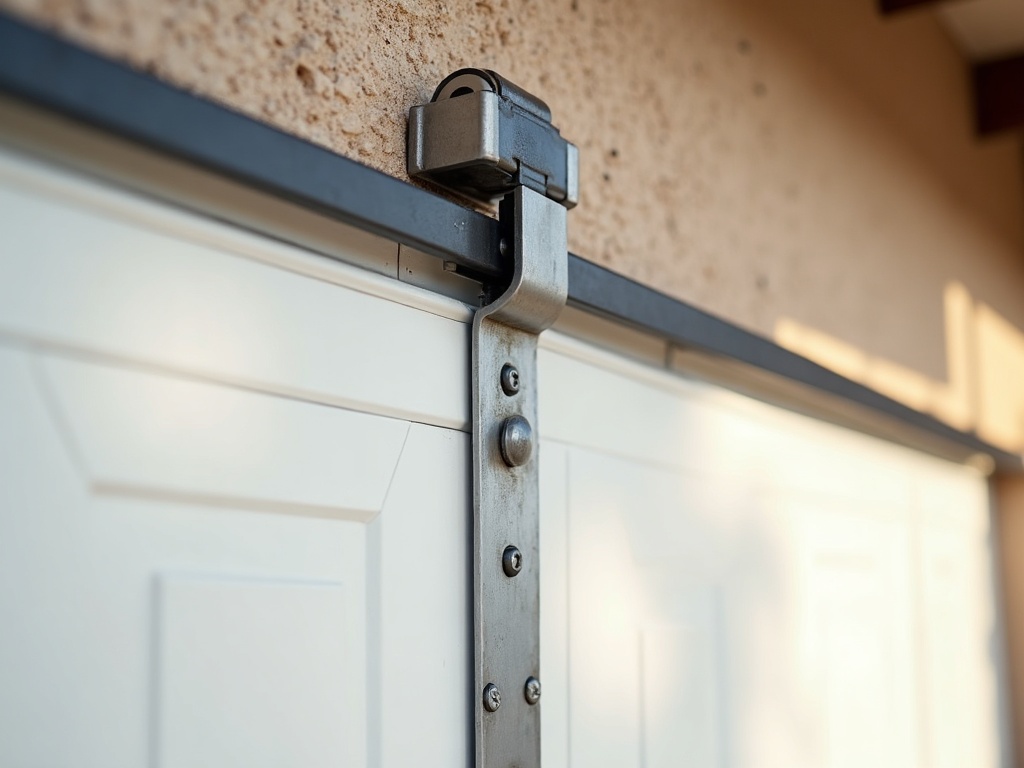
Not all garage door sounds are created equal. Here’s how we translate the most common complaints homeowners bring to us:
| Sound | Likely Cause | Urgency Level |
|---|---|---|
| Grinding or scraping | Worn or dry metal rollers, bent track | High — stop using the door |
| Loud banging or popping | Broken torsion spring, section misalignment | Urgent — do not operate |
| Squealing or squeaking | Dry hinges, worn nylon rollers | Moderate — schedule soon |
| Rattling during movement | Loose hardware, worn chain/belt | Moderate — schedule this week |
| Vibration through the wall | Opener motor mount loose, unbalanced door | Moderate — affects opener lifespan |
| Clicking at start or stop | Limit switch misalignment, logic board issue | Low to moderate — monitor closely |
If you’re hearing a loud bang — especially one that happened suddenly and left your door lopsided or stuck — stop everything. That’s almost certainly a broken spring. Springs are under extreme tension and are genuinely dangerous to handle without proper tools and training. Call us at (602) 898-8558 before you touch anything.
How a Garage Door Upgrade Fixes the Noise at Its Source
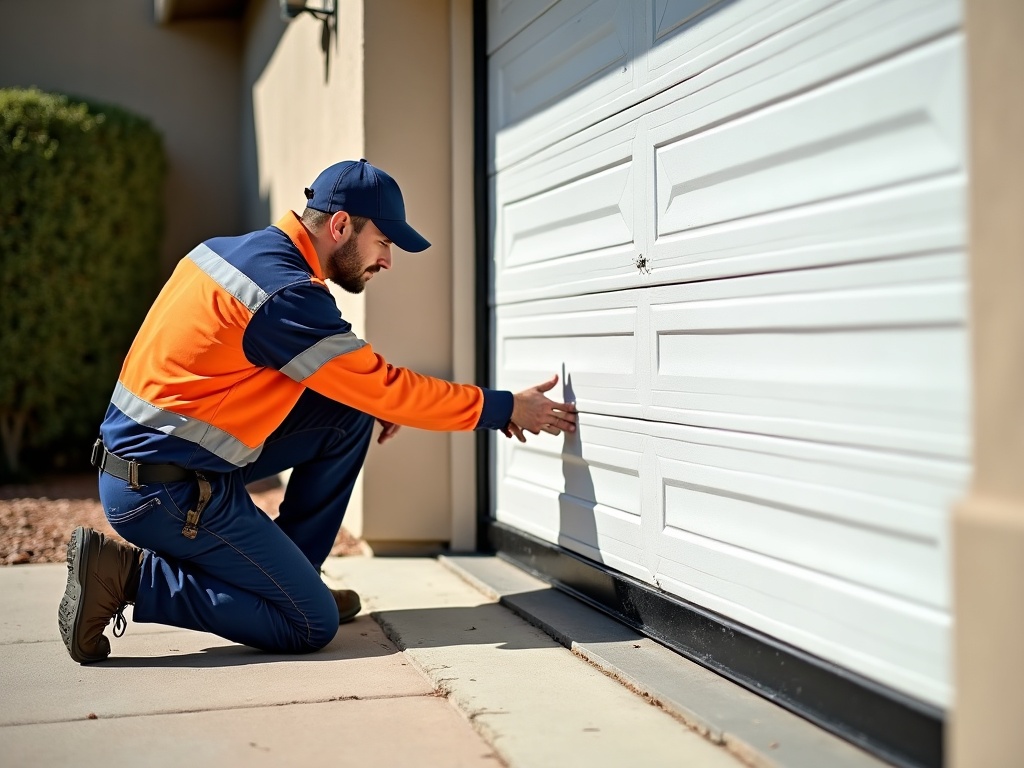
A tuneup isn’t just oiling a few parts and calling it done. When one of our garage door technicians arrives at your home — whether you’re near Old Town Scottsdale, up in Cave Creek off Cave Creek Road, or east in Fountain Hills near Shea Boulevard — here’s the systematic process we follow:
- Full visual inspection — track alignment, cable condition, spring integrity, panel gaps
- Hardware tightening — every bolt, bracket, and roller stem gets checked and snugged
- Roller assessment — worn steel rollers are one of the top noise culprits; we often swap them for quieter nylon replacements on the spot
- Lubrication — hinges, rollers, springs, and the opener rail get the right lubricant (not WD-40, which actually attracts grit)
- Balance test — we disconnect the opener and manually check whether the door holds position at mid-travel; an unbalanced door strains the motor every single cycle
- Force and limit adjustments — opener sensitivity is calibrated so the door doesn’t slam, strain, or reverse unexpectedly
- Safety reversal test — we physically confirm the auto-reverse functions properly every time
This is what a real garage door tuneup from our maintenance team looks like. It takes time, it’s thorough, and it prevents the 2 a.m. “door won’t open” call that no one wants to make.
The single most common thing we find during a noise call is hardware that hasn’t been tightened since the door was installed — sometimes years ago. Ten minutes with a socket wrench and the right lubricant, and the difference is night and day.
— Chris, Red Crest Garage Doors Service Team
When Noise Signals It’s Time to Consider a New Door
Sometimes the honest answer is that repair isn’t the best investment anymore. If your door is 15–20 years old, has visible section damage, poor insulation, or requires repeated repairs, a full garage door installation may cost you less over the next five years than patching an aging system. Modern doors — especially steel insulated options popular with homeowners in Chandler and North Scottsdale — are dramatically quieter, more energy-efficient, and honestly just look better from the curb.
There’s also the HOA factor. If you live in a community near DC Ranch or Troon in Scottsdale, or in a newer master-planned community in Chandler, curb appeal isn’t optional — it’s enforced. A noisy, dented, faded door can actually trigger an HOA notice. A new door solves the noise, the safety concern, and the aesthetic issue in one shot.
Not sure which direction makes more sense for your specific situation? Check out our guide on garage door insulation benefits that affect long-term performance — it covers how door construction choices play out over years of AZ heat cycles, which directly impacts both noise and durability.
Opener Noise Is a Separate (But Related) Problem
A lot of homeowners assume the door itself is the culprit, but sometimes it’s the opener. Chain-drive openers are inherently louder than belt or direct-drive models — and if yours is grinding or rattling from the ceiling-mounted unit, it may be time for an upgrade there too. Our garage door opener service covers everything from basic adjustments to full replacement with a quieter model.
Modern belt-drive and DC motor openers are remarkably quiet — and many now include battery backup, which matters a lot in Scottsdale, AZ during summer monsoon season when power interruptions happen. If your opener is more than 10 years old, the technology has come a long way.
A Quick Noise Self-Check Before You Call
Before you dial, here are a few safe observations you can make from a distance — without touching springs, cables, or attempting any repairs:
- Watch the door move through a full open-and-close cycle. Does it hesitate, jerk, or move unevenly?
- Look at the tracks on both sides — are they parallel and free of obvious bends or gaps?
- Glance at the cables (the steel wires running alongside the door). Fraying, kinking, or slack cables are a stop-everything situation.
- Note whether the noise happens going up, going down, or both.
- Check if the door sits level when fully closed — a gap on one side often signals a balance or cable issue.
This information helps our garage door installers and technicians arrive prepared, which means faster service and more accurate upfront pricing — something we know matters a lot to homeowners who’ve been burned by vague estimates before. You can also read about what it means when your garage door won’t close at night for more specific troubleshooting guidance.
Serving Scottsdale, AZ and the Phoenix Metro — Same Day, Straight Answers
We serve homeowners throughout Scottsdale, AZ, AZ and the broader Phoenix metro — from Cave Creek and Fountain Hills to Chandler and beyond. When you call Red Crest Garage Doors, you get a real person, a real arrival window, and a straight answer on what it’ll cost before any work begins. No surprises. No upselling you on parts you don’t need.
Noise problems have a way of escalating fast — especially in extreme heat, where metal expands and lubrication degrades quicker than in milder climates. If your door is talking to you, it’s worth listening. Whether it needs a tuneup, a repair, or a full upgrade, we’ll tell you exactly what’s going on and what it takes to fix it right.
Some content on this site is AI-assisted and may not reflect exact current details — please verify with Red Crest Garage Doors at (602) 898-8558. Learn more.