
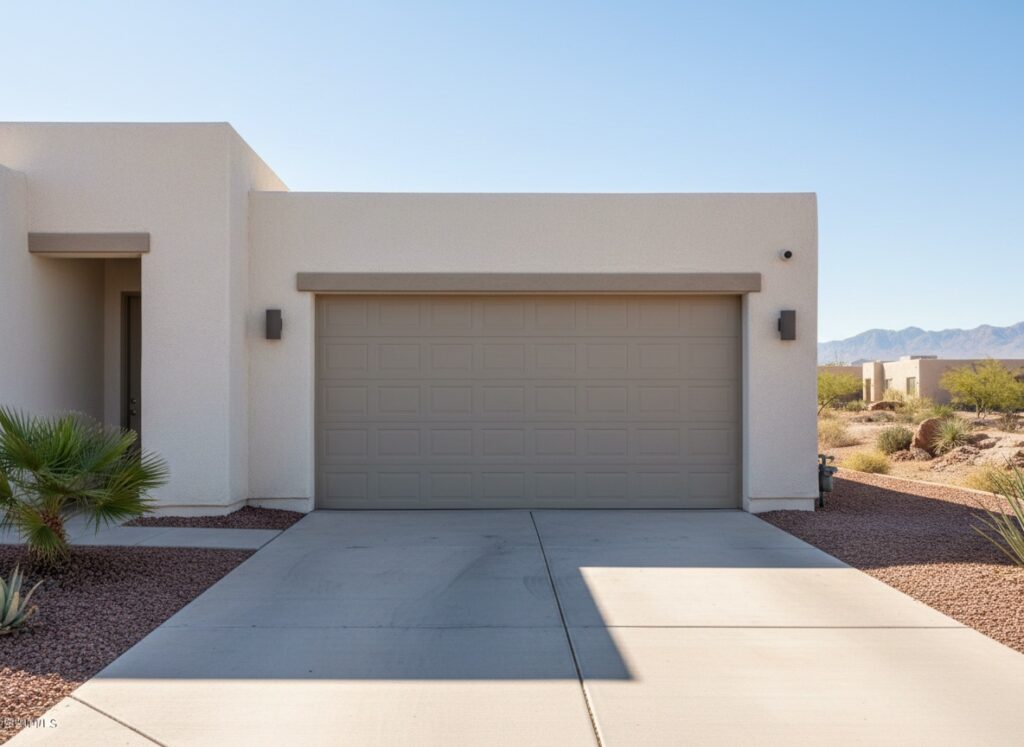
Hey, I’m Chris with Red Crest Garage Doors. If your garage door has started doing that maddening thing — rising a few inches, maybe a foot or two, then reversing right back down like it changed its mind — you’re not alone. It’s one of the most common calls we get from homeowners across Carefree, AZ and throughout the Phoenix metro, and it almost always points to something specific and fixable. The good news? Same Day Garage Door Repair is often exactly what the situation calls for, and in most cases we can have your door running smoothly before the end of the day.
Let’s break down what’s actually happening, why most homeowners miss the warning signs, and what you can do about it right now — without risking your safety or wasting money on a guess.
Why Your Garage Door Reverses — The Real Reasons
Modern garage doors are designed with safety in mind. They use sensors, springs, cables, and an opener’s internal logic to detect resistance and automatically reverse if something seems wrong. That’s actually a feature — but when it’s triggering without a real obstruction, it means something in the system is off. Here are the most common culprits we diagnose every week out in Scottsdale, Chandler, Cave Creek, and Fountain Hills:
- Misaligned or dirty safety sensors — The two little sensors near the bottom of your tracks send an infrared beam across the door opening. If one is bumped, dusty, or sitting in direct afternoon sunlight (a real issue here in AZ), the opener thinks something is in the way and reverses.
- Incorrect close-limit settings — Your opener has a setting that tells it how far down the door needs to travel before it’s fully closed. If that’s off by even an inch, the door touches the floor and the opener interprets that resistance as an obstruction.
- Worn or broken torsion springs — A spring that’s losing tension doesn’t support the door’s weight properly. The opener strains, senses the extra load, and reverses to protect the motor. This is probably the most under-diagnosed cause we see, and it’s also the most dangerous to ignore.
- Damaged or frayed cables — Cables work alongside the springs to lift the door evenly. When one starts to fray or slip off the drum, the door travels unevenly, triggers the auto-reverse, and can eventually snap entirely.
- Track obstructions or alignment issues — A bent track section, a buildup of dirt near the roller brackets, or even a small pebble can cause enough drag to trigger the reverse mechanism.
- Opener logic board issues — Less common, but sometimes the opener’s circuit board or travel module simply needs to be recalibrated or replaced.
The Warning Signs Most Homeowners Ignore
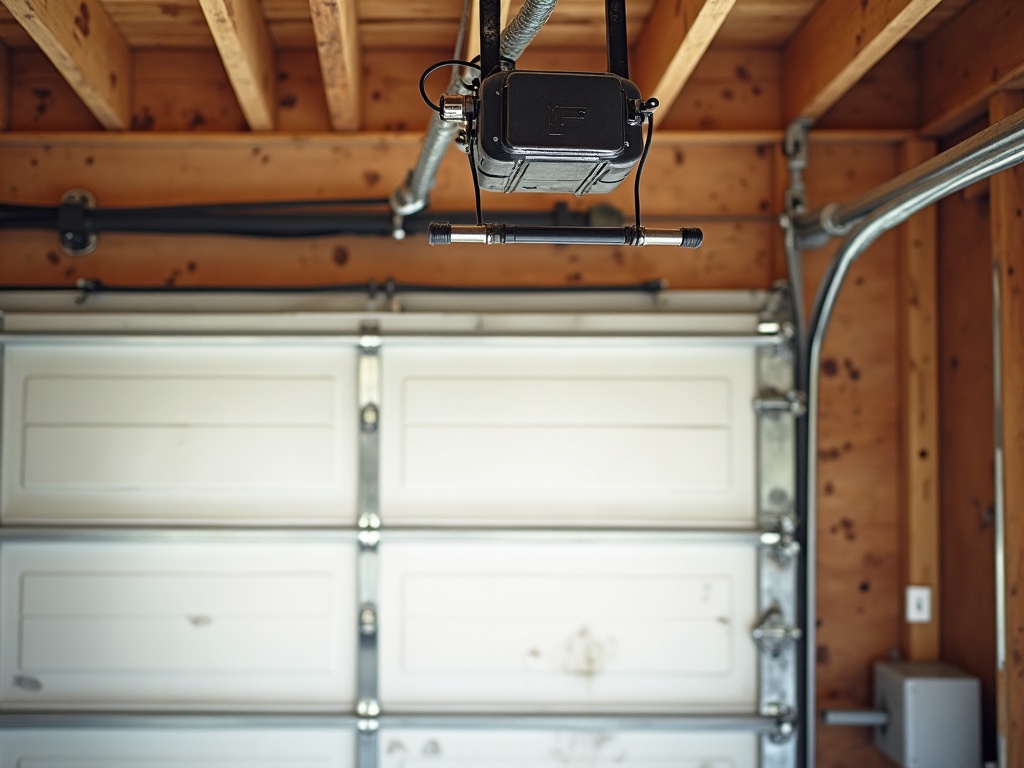
Here’s the part that surprises people: a garage door rarely fails without giving you weeks — sometimes months — of warning. The door that opens then reverses today was probably making a grinding noise, hesitating on the way up, or shuddering slightly six weeks ago. Life gets busy. You press the button again and it works. You move on.
By the time the door is fully reversing, the underlying issue has usually compounded. A fraying cable that could have been replaced during a garage door tuneup is now threatening to snap. A spring that needed adjustment is now fully out of balance. Catching these signs early is what separates a $150 service call from a $400 emergency.
A garage door that reverses once and then works fine is sending you a message. Don’t wait until it stops working entirely — that’s usually when the real damage, and the real cost, sets in.
What a Same Day Garage Door Repair Actually Looks Like
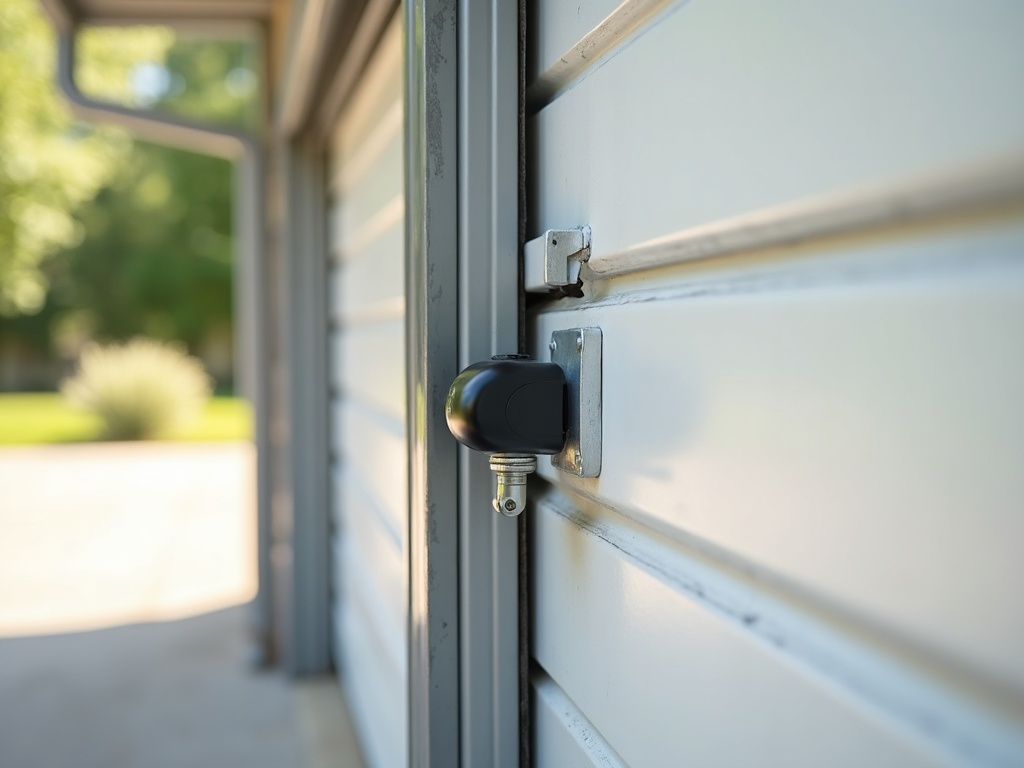
When you call us for a same-day visit, here’s roughly what happens. Our tech arrives — typically within a few hours, not a four-hour window — and does a full visual and operational inspection before touching anything. We look at the springs, cables, rollers, tracks, sensors, and opener settings as a system, not in isolation.
From there, we give you a straight answer: here’s what’s wrong, here’s what it costs to fix it, and here’s whether it makes more sense to repair or replace. We’ll never talk you into something you don’t need, and we’ll never leave you with a vague estimate. If it turns out to be a sensor alignment — a five-minute fix — that’s exactly what we’ll tell you, charge you for, and do.
You can also read about more scenarios that cause trouble in our post on what it means when your garage door won’t close at night — some of those late-evening failures trace back to the exact same causes we’re talking about here.
Repair vs. Replace: A Quick Reference
One of the most common questions we hear — especially from homeowners near Desert Ridge Marketplace in Phoenix or down in the Chandler Fashion Center area — is whether to fix the current door or just put in something new. Here’s a simple breakdown:
| Situation | Our Recommendation | Why |
|---|---|---|
| Sensor misalignment or limit setting issue | Repair | Quick fix, minimal cost, door is otherwise healthy |
| One broken torsion spring | Garage spring replacement | Cost-effective; replace both springs at once for balanced life |
| Frayed or broken cable | Repair | Cable replacement is straightforward; catches bigger failure early |
| Door is 15+ years old with multiple issues | Consider replacement | Repair costs stack up; new door adds curb appeal and value |
| Bent tracks or major structural damage | Assess case by case | Depends on door age, extent of damage, and budget |
If your door is newer and well-maintained, a professional garage door repair will almost always get you back to smooth, quiet operation without needing a full replacement. If the door is aging and you’re also dealing with rising energy bills or a dated look, that’s a different conversation — and our garage door installation team can walk you through modern options that actually increase home value.
How to Prevent This From Happening Again
Prevention is easier than emergency repair, and in the Phoenix metro heat, it matters more than people realize. The extreme temperature swings — from cool winter mornings in Cave Creek to 110-degree summers in Scottsdale — do a number on springs, lubricant, and weatherstripping. Here’s what we recommend to our regular customers:
- Schedule a professional tuneup once a year. A garage door tuneup catches tension issues, lubrication gaps, and minor hardware wear before they compound into a full reversal or a snapped spring.
- Test your sensors monthly. Wave your hand through the sensor beam while the door is closing. If it doesn’t reverse immediately, clean the sensor lenses with a dry cloth and re-test.
- Listen to your door. New grinding, squealing, or rattling sounds are your door’s way of flagging a problem. Don’t wait.
- Don’t ignore a door that hesitates. If you press the button and the door pauses, stutters, or needs a second press, something is losing ground. That’s the time to call — not after it fully stops working.
- Keep the tracks clean. Especially if your garage faces a dusty road or you’re near a construction zone (there’s always something being built near the Loop 101 corridor in Scottsdale), track debris builds up faster than you’d expect.
For a deeper look at what a professional inspection covers — and why it matters for long-term performance — check out our garage door inspection checklist that protects long-term performance. It’s a solid read if you want to know what we’re actually looking at during a service visit.
We’re a Local Garage Door Repair Company — Not a Call Center
We get it — you’ve probably dealt with a contractor who gave you a runaround, showed up late, or quoted one price and charged another. That’s exactly why Red Crest Garage Doors operates the way we do. We’re local, we’re transparent, and we back our work. When you call us, you’re talking to someone who actually knows the Fountain Hills roads, the Scottsdale HOA expectations, and how Phoenix weather affects garage hardware differently than it does in other parts of the country.
As a trusted garage door repair company in Carefree, AZ and the surrounding metro, we show up same day, explain everything plainly, and price it honestly. That’s the whole approach.
Got a door that’s been acting up? Give us a call at (602) 898-8558 and let’s figure it out together — before a small fix turns into a big one.
Some content on this site is AI-assisted and may not reflect exact current details — please verify with Red Crest Garage Doors at (602) 898-8558. Learn more.